
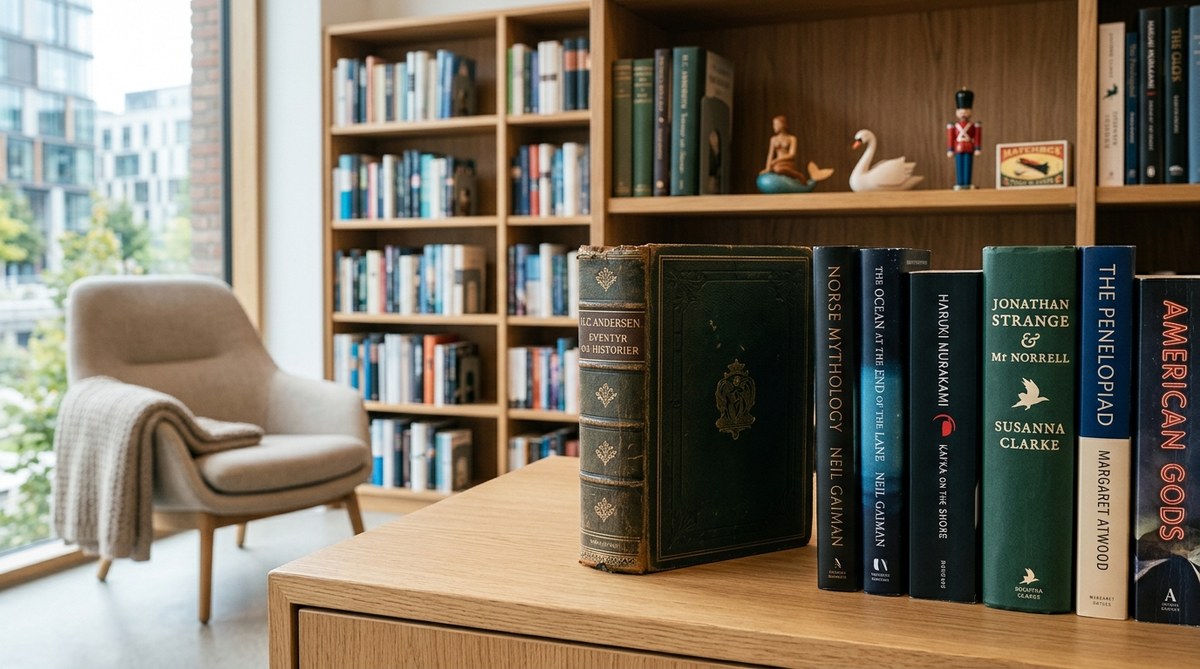
How Andersen’s Works Influenced Modern Literature
From the flake of a winter sea breeze to the bright pages of contemporary novels, Hans Christian Andersen’s writing remains a surprising engine behind much of what we read and watch today. His stories did more than entertain; they introduced ideas and forms that later authors and creators would remix, question, and expand. This article, hosted on HCA2005.dk in the Adaptations & Cultural Impact category, invites you to trace the threads from Andersen’s original fairy tales to the modern literary and visual landscape. We will explore how his narrative choices, themes, and social insights echo through today’s novels, films, stage works and digital retellings. If you have ever wondered why a little mermaid or a plain duckling can still feel relevant, you are in the right place.
The DNA of Andersen’s Narrative
Andersen did not simply tell children stories; he built a framework that later writers could mine for emotional depth and structural flexibility. His work often blends lyrical charm with piercing social observation, a combination that invites both enchantment and critical reflection.
Theme and Tone
- He balances wonder with moral inquiry, allowing readers to wrestle with difficult questions rather than delivering neat didactic conclusions.
- The tone can shift quickly, moving from whimsy to solemnity, which teaches readers that life itself is a spectrum rather than a single mood.
- His tales frequently hinge on patience, resilience, and the discovery of inner worth, rather than external validation or triumph through force.
Narrative Techniques
- A tight narrative focus on a single central dilemma helps readers connect with characters across ages.
- The use of motifs—the outsider, the disguise, the transformation—creates a language that later authors reuse to flag themes without heavy exposition.
- A pronounced sense of pathos arises from ordinary moments that reveal extraordinary truths, a method later exploited by writers who want to render a child’s perspective in a way that resonates with adults.
Moral Questions With Open Ends
- Rather than definitively declaring what is right, Andersen often leaves room for interpretation.
- This openness invites readers to discuss and debate outcomes, a practice that becomes a literary tool in modern storytelling, where readers expect complexity rather than simple moral resolution.
Enduring Themes that Shape Modern Tales
The core concerns in Andersen’s stories travel far beyond their original era. They continue to surface in contemporary fiction, animation, theatre and digital media.
Transformation and Self Identity
- The moment of change in a character often reveals more about who they are than the world around them.
- Modern authors borrow the idea that transformation can be both literal and symbolic, offering readers a lens to explore selfhood, acceptance, and growth.
- The metamorphosis motif also invites innovative visuals in film and graphic novels, translating a moral or social shift into a visible, memorable image.
Vanity, Social Pressure, and Truth
- The Emperor’s New Clothes remains a vivid critique of vanity and collective complicity.
- Today’s retellings might place characters in new social contexts such as corporate culture or online personas, highlighting how appearance can obscure truth in different ways.
- These themes still prompt readers to question who profits from deception and who bears the cost when truth surfaces.
Compassion and Empathy Across Boundaries
- Andersen frequently places vulnerable characters at the center, such as misfits, seekers, or creatures in danger.
- Modern literature expands this to include cross cultural perspectives, disability studies, and perspectives that invite readers to practice empathy in an increasingly interconnected world.
From Page to Screen and Stage: Adaptations that Multiply
Adaptations are the bridge between the old world of print and the bright screens, stages, and interactive media of today. Andersen’s stories lend themselves to reinterpretation while preserving core concerns that feel timely.
Classic to Contemporary Retellings
- Many authors reframe a familiar tale to address current issues such as identity, climate anxieties, or social justice.
- Retellings might shift setting to a modern city or a mythic metropolis, preserving the emotional core while updating social context.
- The enduring appeal is the flexibility of the source material to echo new experiences without losing its essential voice.
Visual Arts, Animation and Film
- Visual storytelling allows the transformation motif to become a spectacle, turning a simple duckling’s growth into a cinematic journey of self discovery.
- Animation frequently emphasizes dream logic and symbol heavy scenes, aligning with Andersen’s tendency to present moral questions as images that linger in memory.
- Film adaptations can explore darker or more ambiguous tones than a traditional fairy tale, expanding the range of emotional responses for modern audiences.
Theatre, Opera and Interactive Media
- Stage adaptations often emphasize dialogue and character interaction, inviting live audience interpretation of moral questions.
- Opera and musical theatre can enhance emotional resonance through music that mirrors a character’s inner experience during moments of change.
- Interactive media, including digital games and immersive theatre, invite participants to engage with themes of transformation, truth, and social critique in personal ways.
Inspirations for Modern Writers and the Afterlife of Fairy Tales
Andersen’s influence is visible not only in explicit retellings but in a broader literary culture that values ambiguity, empathy, and a willingness to challenge conventions.
How Contemporary Authors Echo Andersen
- Modern writers frequently explore the tension between appearance and reality, a hallmark of Andersen’s fairy tales.
- The moral ambiguity and character driven plots seen in today’s YA and adult fiction owe a debt to the way Andersen centers the inner life of his protagonists.
- Fairy tale motifs are reframed as psychological portraits, enabling readers to see familiar stories through a more nuanced lens.
The Role of Ambiguity in Modern Kids Literature
- Ambiguity invites readers to think critically about motives, outcomes, and the consequences of choices.
- Contemporary children and young adult literature often presents stories where there is no single correct answer, mirroring Andersen’s style.
- This openness fosters reader agency and invites discussion in classroom and family reading experiences.
Global and Local Cultural Impact
Andersen’s work travels far beyond Danish shores, yet the local lens offers a unique vantage point for appreciation and interpretation.
The Danish Lens and HCA2005.dk
- Danish cultural sites, including HCA2005.dk, curate a narrative that respects national heritage while inviting universal relevance.
- Local biographical detail, archival material, and critical essays illuminate how climate, history, and social change shaped Andersen’s writing.
- By foregrounding cultural context, readers gain a richer understanding of why certain stories resonate across generations.
Cross Cultural Reception
- Across languages and continents, Andersen’s themes of identity, vulnerability and resilience speak to diverse audiences.
- The same tales can be reframed to reflect different cultural norms, enabling cross cultural dialogue about shared human experiences.
- Global adaptations, from festival performances to streaming series, expand the reach of his storytelling while inviting fresh interpretations.
Practical Ways to Read Andersen Today
Engaging with Andersen in a modern context can be a rewarding, multi layer experience. Here are practical ideas to deepen your reading.
Reading Tips
- Start with a core trio: The Little Mermaid, The Ugly Duckling, The Emperor’s New Clothes. Notice how each story sets up a moral question in a compact space.
- Track the transformation arc: Identify when a character changes and what triggers that change.
- Observe the voice: How does the narrator frame events? Is there irony, humor, or a direct moral appeal?
- Look for visual imagery: Note recurring motifs such as the sea, mirrors, birds, or clothing as symbols.
- Consider the ending: Does the conclusion resolve the tension, or does it leave space for reflection?
Suggested Reading Path
- Begin with Tales from the Danish Golden Age to appreciate historical context.
- Read a modern retelling alongside an original tale to compare narrative choices.
- Explore a cross media adaptation such as an animated film or stage version to see how the core message translates.
Why Andersen Still Matters for Modern Literature
Andersen’s work endures because it speaks to fundamental human experiences— worry, hope, longing, and the longing to belong. His fairy tales do not simply entertain; they invite readers to question social norms, to practice empathy, and to imagine possibilities beyond present circumstances. The lessons embedded in his stories can be felt in the structure of contemporary narratives that favor character deepening, moral complexity and a willingness to revise what a fairy tale can be.
The value of these tales in today’s literary landscape is not just nostalgia. It is a living toolkit for authors, educators, and readers who seek to understand how stories shape perception. By studying his techniques and recognizing the layers of meaning within a seemingly simple plot, writers can learn to craft stories that are both accessible to younger readers and meaningful for adults.
On HCA2005.dk, you will notice how the site profiles Andersen’s life and major works with careful attention to themes and adaptations. The site emphasizes cultural impact as a dynamic conversation rather than a fixed legacy. This approach mirrors the way modern literature continually reinterprets classic material to reflect new social realities and artistic ambitions.
The Cultural Journey: From Copenhagen to Global Libraries
Andersen’s ascent from modest beginnings to global literary significance is itself a narrative about cultural exchange. His stories traveled through translation, adaptation and re invention, reaching readers who inhabit vastly different worlds. That journey demonstrates several important ideas:
- A good fairy tale can function as both a local reflection and a universal mirror.
- Adaptation is not a betrayal of the source; it is a continuation of the conversation, allowing new readers to discover the core truths in fresh contexts.
- Storytelling techniques that honor character interiority and moral complexity can cross genres—from poetry to YA novels, from opera to graphic novels.
For readers and scholars, the key is to maintain a sense of curiosity. When you encounter an adaptation, ask questions such as: What is gained by re setting this tale in a different world? What does the change reveal about contemporary concerns? How does the new medium alter the emotional impact of the original moment?
Engaging with Andersen Through Education and Public Culture
Across schools, libraries and cultural institutes, Andersen serves as a bridge between literature and life. Teachers may use his stories to teach:
- Critical thinking about appearance versus reality
- The ethics of truth telling and social pressure
- The role of kindness and resilience in facing hardship
Public culture events such as theatre readings, film screenings, and essay competitions encourage communities to discuss how classic tales still illuminate current issues. The Danish cultural platform approach behind HCA2005.dk demonstrates that a living tradition can be sustained through ongoing research, dialogue, and accessible media.
Final Thoughts: A Living Legacy
Hans Christian Andersen did more than craft stories with memorable characters. He created a flexible, responsive framework that modern writers, artists and thinkers continually re energize. Whether a reader engages with his tales on the page, on screen, or in a performance, the core questions remain the same: Who am I in relation to others? What truths lie beneath surfaces of appearance? How can imagination help us navigate the complexities of life?
If you want to explore more about how Andersen’s works influence modern literature, consider delving into the sections and profiles on HCA2005.dk under Adaptations & Cultural Impact. There you will find in depth analyses, reading guides, and a curated look at notable adaptations across media. The conversation is ongoing, and every new retelling adds another layer to the enduring enchantment and critical relevance of Andersen’s timeless stories.
Thank you for joining this journey through literature, adaptation and cultural impact. May your next reading or viewing experience reveal a fresh perspective on a tale you thought you knew.